Move-in condition reports: why they matter and how to do them right
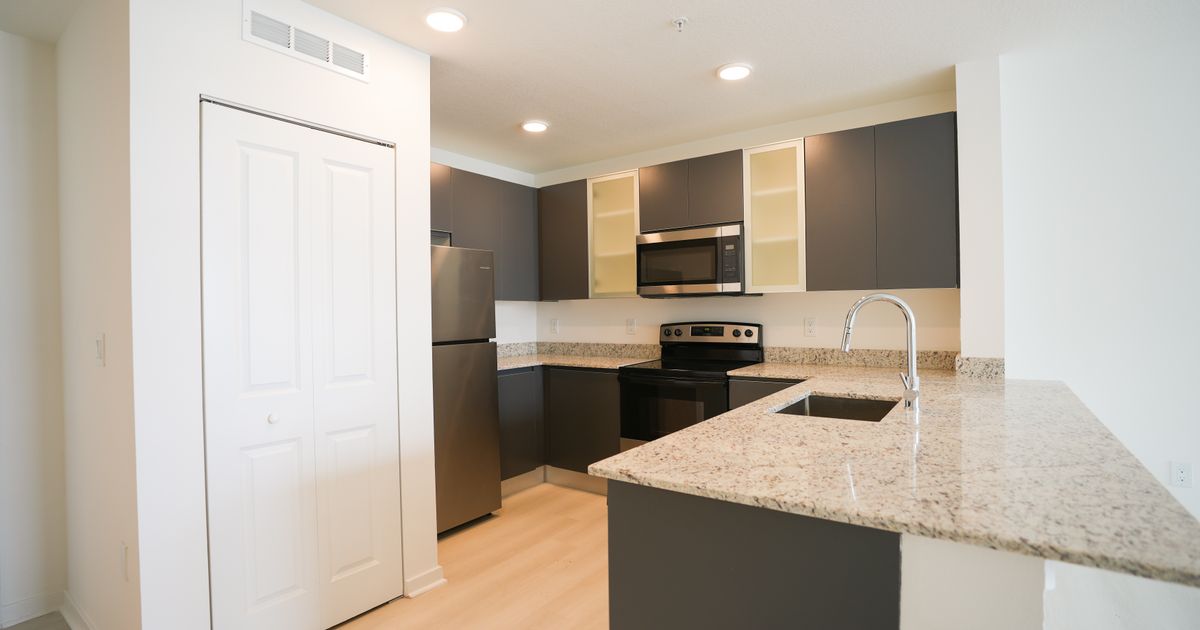
Photo by Nilzo Farías on Pexels
The move-in inspection happens once. What you document that day — and how you document it — determines whether you have evidence if a dispute arises when the tenancy ends. In Ontario, landlords cannot use a security deposit to cover damage, so the condition report is essentially the only instrument available to distinguish pre-existing wear from tenant-caused damage. Skipping it is a risk that compounds over the entire tenancy.
What a condition report actually does
It creates a shared, time-stamped record of the unit's condition on the day the tenancy begins. When both parties sign it, it's hard for either to later claim the record was one-sided. At the Landlord and Tenant Board (LTB), a signed condition report with dated photos carries significant weight. Without one, proving that a damaged wall or broken fixture wasn't pre-existing is very difficult.
What to document
Cover every room systematically. The goal is to leave no surface unrecorded.
- Walls, ceilings, baseboards, and floors — note any scuffs, holes, stains, or damage.
- Doors and windows — open and close each one; note any damage to frames, locks, or glass.
- Appliances included with the unit — test stove burners, oven, fridge, dishwasher, and any washer/dryer. Note the make, model, and condition.
- Bathroom — toilet, taps, shower/tub, caulking, and exhaust fan.
- Kitchen — sink, taps, countertops, and cabinet interiors.
- Light fixtures, outlets, and switches — confirm they work.
- Smoke and carbon monoxide detectors — confirm presence and test function.
- Any outdoor areas, parking spots, or storage units included in the lease.
Use a rating system, not free-form notes
Free-form notes like 'looks fine' create ambiguity. A consistent rating — Excellent, Good, Fair, Poor — applied to each item gives both parties a shared vocabulary. When a condition is 'Fair,' add a brief description: 'Fair — small chip in baseboard trim, southwest corner of living room.' The specificity matters if that chip becomes a dispute point two years later.
Photos and video are not optional
A written report without photos is weaker than a written report with them. Photos create objective evidence that a description alone can't match. Take wide shots of each room and close-ups of any noted deficiencies. A short continuous video walkthrough narrated as you go is also valuable — it's hard to dispute a 10-minute video of the unit from move-in day.
- Date-stamp your photos — most smartphones do this automatically in EXIF data.
- Send the tenant a copy of the digital files the same day.
- Store the files somewhere backed up, not just your phone.
Get the tenant's signature — and give them a copy
Do the inspection together when possible. Walk through the unit with the tenant, confirm each item, and have both parties sign and date the completed report. Give the tenant a copy immediately — the same day. This matters: if the tenant later disputes an item, their own signed copy of the report is harder to argue against. If a tenant refuses to sign, note the refusal in writing and proceed.
Use the same report format at move-out
The move-in report only becomes useful when compared to the move-out inspection. Use the same form, the same rating categories, and the same room-by-room structure. The comparison then tells a clear story about what changed during the tenancy — and what was pre-existing.
- Inspections in Kera
- The room-by-room inspection checklist
- Move-out: damage vs. normal wear and tear
- Entering a unit: the 24-hour notice rule
- Ontario Standard Lease guide
Is a move-in condition report legally required in Ontario?
It is not explicitly mandated under the RTA for residential tenancies in the same way it is in some US states. However, it is essential evidence at the LTB if you ever need to demonstrate tenant-caused damage. Without it, the board will generally assume any damage was pre-existing.
What if the tenant won't do the move-in inspection with me?
Complete it anyway, note the date and that the tenant was not present, photograph the condition thoroughly, and deliver a copy to the tenant. If they later object to any item on it, the fact that you offered the inspection and they didn't participate is relevant context.
Can I charge a tenant for normal wear and tear in Ontario?
No. Normal wear and tear — minor scuffs, small nail holes from pictures, gradual carpet wear — is not chargeable to a tenant under the RTA. You can only pursue costs for damage beyond normal use. A condition report helps you distinguish the two.
How long should I keep condition reports?
Keep them for the duration of the tenancy and for at least a year after it ends. LTB applications related to property damage must generally be filed within one year of the occurrence, so records older than that are typically less relevant. Check with a paralegal if you have specific concerns.
Keep inspection records in the same place as the lease
Kera stores leases, photos, maintenance history, and documents in one unit profile — so when you need them, you don't have to search.
Run your whole business on Kera
Flat pricing, no per-door fees. Built for property managers.