RECO's new annual trust filing: what Ontario brokerages must do by October 2026
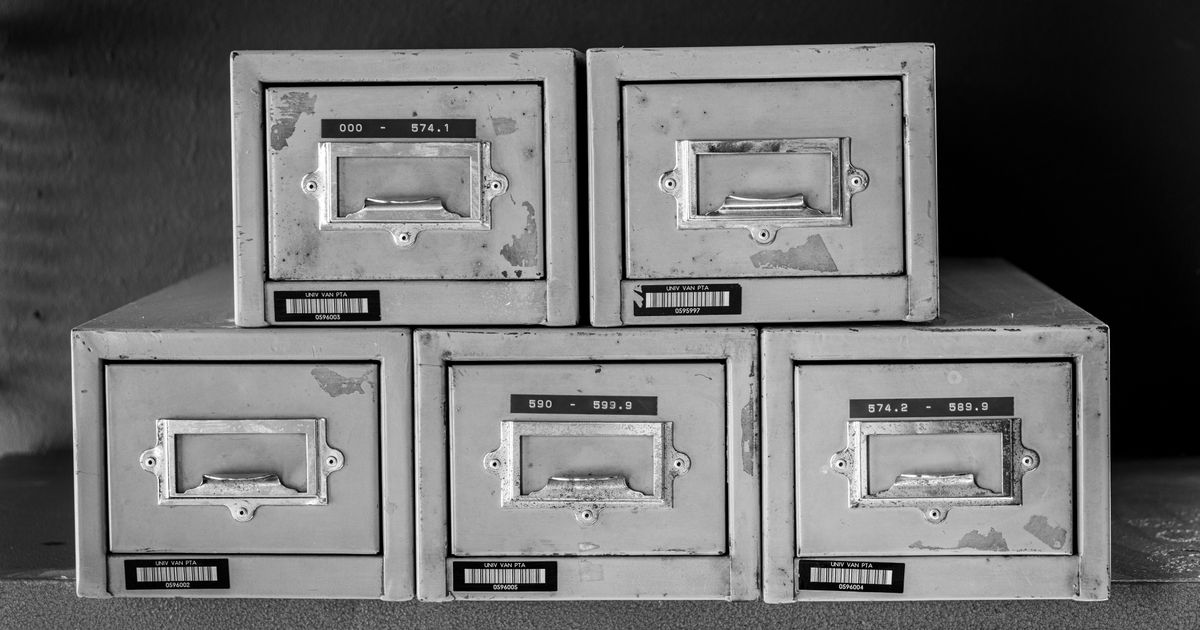
Photo by Magda Ehlers on Pexels
Ontario's real estate oversight body is raising the bar on financial accountability. The Real Estate Council of Ontario (RECO) announced that effective October 1, 2026, all Ontario real estate brokerages will be required to submit an annual financial filing demonstrating compliance with the Trust in Real Estate Services Act (TRESA). Brokerages whose fiscal years ended between August 1, 2025, and July 31, 2026, must file by October 30, 2026.
What TRESA's trust requirements already demand
TRESA, which saw major updates in December 2023, requires brokerages to hold client funds — including rental deposits, rent in transit, and owner reserves — in separate trust accounts that are never commingled with operating funds. Every ledger entry must be attributable to a specific client, and the aggregate of client ledger balances must reconcile to the trust bank account at all times. These requirements predate the new filing mandate; the filing makes them provable on a recurring basis.
What the annual filing covers
Per RECO's announcement, the annual financial filing requires brokerages to submit documentation showing that trust accounts were properly maintained throughout the year. This means providing evidence of segregated trust accounts, reconciliation records, and proper disbursement practices. While RECO has not published the final form in full detail, the intent is proactive oversight — catching problems before they become consumer complaints or enforcement actions.
- Evidence that trust funds are held in segregated bank accounts separate from operating accounts.
- Trust account reconciliation records demonstrating the bank balance equals the sum of client liabilities.
- Documentation of disbursement practices, including management fee transfers.
- Confirmation of compliance with TRESA's record-keeping requirements.
Monthly reporting is coming in 2027
The October 2026 annual filing is the first phase. RECO has signaled that even more stringent monthly reporting requirements are planned for 2027. Brokerages that treat this year's annual filing as a forcing function to get their trust accounting in order — rather than a one-time compliance exercise — will be best positioned for the monthly cadence ahead.
Why this matters for property managers specifically
Not every property manager in Ontario is a registered brokerage, but many are. Those that are registered under TRESA are subject to these requirements. Even for managers who are not RECO registrants, the tightening of standards is a signal about where the market is heading: better-documented trust accounts are increasingly the baseline expectation, not a differentiator.
How to prepare before October
- Confirm your trust account is truly separate — never used for operating expenses or management fees.
- Establish a monthly three-way reconciliation: bank statement, trust ledger, and sum of client balances.
- Retain documentation of every disbursement, fee transfer, and deposit for the full reporting period.
- Review RECO's published guidance at reco.on.ca for the final filing requirements.
- If you use property management software, verify it can export the reconciliation records RECO will require.
- Trust accounting and reconciliation in Kera
- Generate owner statements and audit-ready reports
- Trust accounting for Ontario property managers, explained
When is the RECO annual financial filing deadline?
Brokerages with fiscal years ending between August 1, 2025, and July 31, 2026, must file by October 30, 2026. The general requirement takes effect October 1, 2026.
Which brokerages does this affect?
All Ontario real estate brokerages registered under TRESA. Property managers who are not registered as brokerages should check their registration status with RECO.
What happens if a brokerage doesn't file?
Per RECO's announcement, non-compliance can lead to fines or suspension and revocation of a brokerage's registration.
What is the difference between TRESA and REBBA?
TRESA (Trust in Real Estate Services Act) replaced the older Real Estate and Business Brokers Act (REBBA). TRESA expanded RECO's enforcement powers and enhanced professional standards. The December 2023 amendments were the second major phase of changes.
Is monthly reporting already required?
Not yet. Monthly reporting is planned for 2027. The October 2026 annual filing is the first mandatory proactive reporting requirement under the new regime.
Get your trust accounts filing-ready
Kera's TRESA-aligned trust accounting keeps your reconciliation current every day — so the October 2026 filing is a report you already have, not a scramble.
Run your whole business on Kera
Flat pricing, no per-door fees. Built for property managers.