Cut unit turnover time without cutting corners
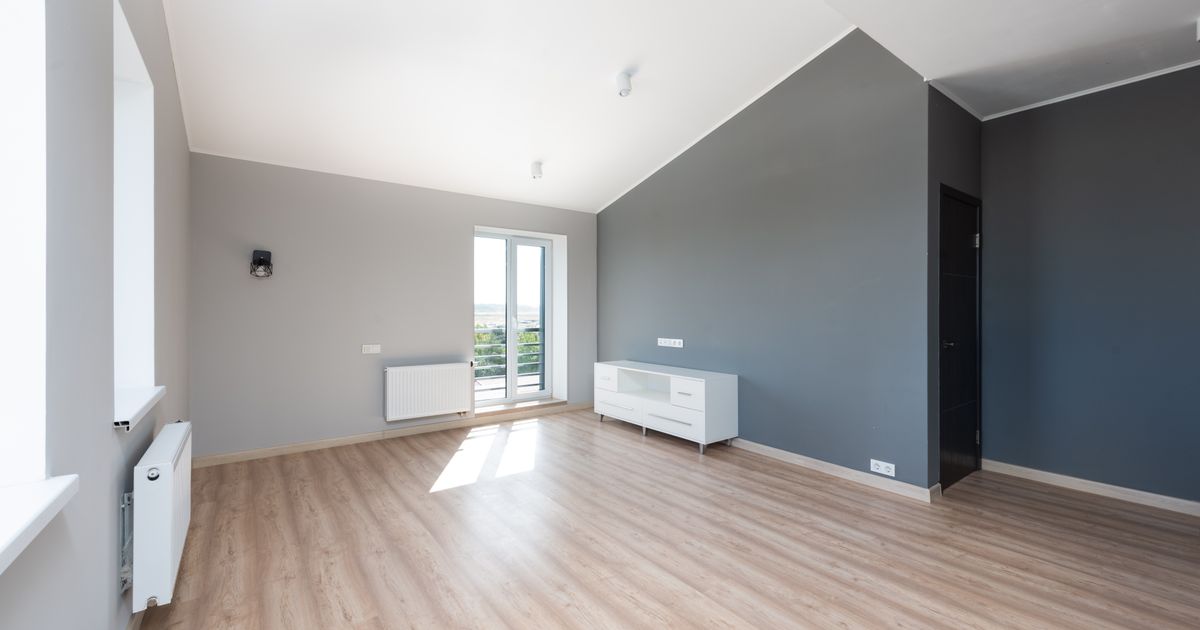
Photo by Max Vakhtbovych on Pexels
A unit that takes two weeks to turn costs more than a unit that takes five days — not because more work was done, but because the work wasn't sequenced. Turnover delays rarely come from technician slowness. They come from coordination gaps: a cleaner who couldn't start because the inspection wasn't done, a painter who showed up before the drywall repair was finished, a vendor who confirmed a time slot and then filled it with another job.
Start the process before the tenant moves out
The single highest-leverage shift is treating the notice-to-vacate as the start of the turnover, not the move-out date. As soon as a tenant gives notice, you should be scheduling the move-out inspection, reaching out to your cleaning crew and painter, and pre-ordering any materials you know you'll need.
- Schedule your move-out walkthrough within 24–48 hours of vacancy.
- Contact your key vendors immediately on notice — not after you have the keys back.
- Identify likely scopes from the move-in report while you still have time to source materials.
- Pre-list the unit if your market allows it, to reduce the gap between make-ready completion and a signed lease.
Document the condition on move-in — and use it on move-out
A move-in inspection report with dated photos is not just legal protection; it's a scope-of-work starting point. When you compare it to the move-out condition, you can separate normal wear from actual damage, bill the right costs to the right party, and hand your vendors a clear job. In Ontario, a detailed move-in/move-out report is indispensable evidence at the Landlord and Tenant Board if a deposit dispute ever comes up.
Sequence tasks; don't run them in parallel by accident
Most turnover delays are sequencing failures. The correct order for most units is: patch and drywall, then paint, then deep clean, then carpet or flooring, then touch-ups. Running any of those out of order — especially cleaning before painting is done — forces rework. Write the sequence down and apply it to every unit.
- Patch → paint → clean → flooring → final inspection is the baseline sequence.
- HVAC filter, smoke detectors, and lock rekey happen in the final step, not whenever someone remembers.
- Assign one person to own the sequence for each turn, not a shared group chat.
Build a reliable vendor bench — not a single point of failure
When your one cleaning crew is unavailable, a five-day turn becomes a twelve-day turn. A vendor bench means having at least two qualified, vetted options for each trade. You don't need to use both regularly — you need to know they're available and that they'll show up. This means maintaining those relationships even in slow periods, not scrambling to rebuild them during a busy season.
Track turn time as a metric
If you don't measure your average turn time, you have no baseline to improve from and no way to spot when a process is slipping. Track the number of days from move-out to unit-ready for every turn. When it spikes, you can ask why. When it drops, you know something is working. A single dashboard of current turnovers — what stage each is in, who owns the next step — removes most of the mental overhead of tracking this manually.
What is a realistic unit turnover time for a well-run property?
Properties with defined processes and pre-booked vendors consistently complete turns in three to seven days. Units taking ten or more days typically have a sequencing or vendor coordination problem, not a workload problem.
Should I list a unit before it's fully turned?
Yes, in most markets. You can take applications and run screening while the unit is being made ready, as long as you're clear about availability date. Getting a signed lease before the unit is rent-ready closes the gap between make-ready and occupied almost entirely.
In Ontario, do I need to do a move-out inspection?
Ontario's Residential Tenancies Act requires you to offer the tenant the opportunity to attend a move-out inspection. While a written inspection report isn't legally mandatory in all circumstances, it is your best evidence at the Landlord and Tenant Board if there's a dispute over damage or the last month's rent deposit.
How do I handle a tenant who leaves the unit in poor condition?
Photograph everything on the day of move-out before any cleaning or repairs begin, and compare against your move-in report. Document all costs with receipts. In Ontario, you apply the deposit toward unpaid rent or the last month's rent — you cannot deduct damage costs from a last-month's rent deposit without an LTB order.
What tasks are always done wrong during turnovers?
Rekeying is the most commonly skipped step. HVAC filter replacement is the second most skipped. Both are safety and liability issues, not just maintenance items. Put them on the final-step checklist so they can't be overlooked.
Turn units faster with less coordination overhead
Kera's work-order system lets you set up turnover templates, assign vendors, and track every step — so you're not rebuilding the process from memory each time.
Run your whole business on Kera
Flat pricing, no per-door fees. Built for property managers.