After-hours maintenance emergencies: a clear-headed playbook
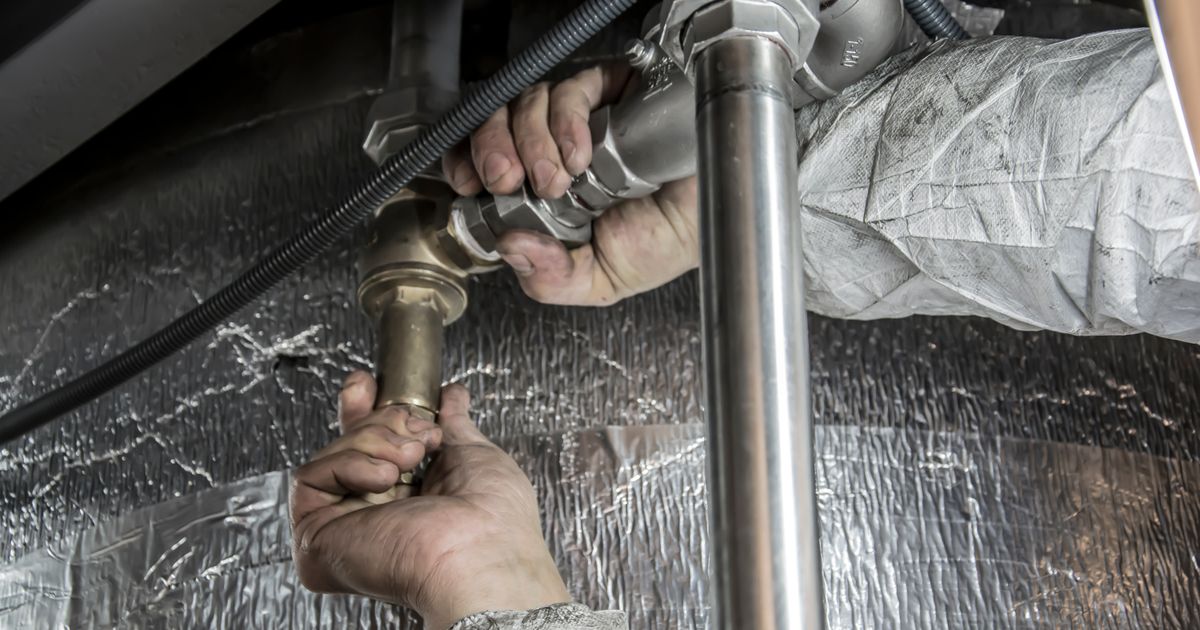
Photo by Anıl Karakaya on Pexels
After-hours calls are a design problem more than a workload problem. When your response system is vague — tenants aren't sure what counts as an emergency, you're not sure who handles what, and your vendor list is in someone else's phone — every call feels like a crisis. When the system is clear, most calls resolve themselves before they reach you.
Define what is and isn't an emergency — in writing, in advance
The most common source of after-hours stress is ambiguity. Tenants understandably treat any maintenance problem as urgent when they don't know the standard. Give them one, in writing, at lease signing. A true emergency is any issue that poses an immediate risk to health, safety, or property integrity: a burst pipe or active flooding, a complete loss of heat when temperatures are below 0°C, a gas smell, a fire, or a compromised entry point (broken exterior door lock, broken window on the ground floor). Everything else — a dripping faucet, a tripped breaker, a noisy appliance — is a next-business-day request.
- Burst pipes, flooding, or sewage backups.
- No heat in winter (in Ontario, landlords must maintain a minimum of 20°C between September 1 and June 15).
- Gas smell — evacuate and call the gas utility first, then you.
- Fire — call 911 first, then you.
- Compromised entry lock or broken exterior window.
- Total electrical failure (not a single tripped breaker).
Build a response chain, not just a phone number
A single after-hours number works if one person is always available and always has every vendor's contact in their head. That's not a system — that's a single point of failure. A response chain is a decision tree: the tenant calls the emergency line, the emergency line uses a triage script to determine severity, the on-call person is contacted with context already gathered, the on-call person contacts the appropriate vendor from a documented list. Each step has a backup if the primary isn't available.
Consider a professional answering service for the overnight shift
Overnight calls are genuinely hard to handle while maintaining quality sleep. Property management answering services exist specifically to triage maintenance calls at scale — they apply your criteria, gather the key details (unit number, nature of the problem, how long it's been happening), and only escalate to you when the situation actually warrants it. For managers above around ten units, the cost is often worth it purely in terms of sleep quality and response consistency.
Communicate clearly with the tenant — even when you can't fix it yet
The most common source of tenant escalation during an emergency is not the problem itself — it's silence. A tenant who knows a plumber is on the way and expects to arrive within 90 minutes is calm. A tenant who has called twice and hasn't heard back is posting to social media and considering an LTB application. Confirm receipt, give an ETA if you have one, and update them if the ETA changes. This is basic customer service, but it matters intensely at 11 p.m.
Document everything — the call, the action, the outcome
After every after-hours event, create a written record: when the call came in, what was reported, what action was taken, when the vendor arrived, and what was resolved. This is your protection if a tenant later claims the issue wasn't addressed, and it's the data you need to spot recurring problems. A unit that floods twice in two years has a plumbing problem. A property that generates three after-hours calls a winter has an HVAC problem.
- Kera maintenance and work orders
- Building a vendor network that holds up under pressure
- More operations guides
What is the minimum heat requirement for landlords in Ontario?
Under Ontario's Residential Tenancies Act, landlords must provide and maintain heat at a minimum temperature of 20°C (68°F) from September 1 to June 15. This applies to all rental units. Failure to maintain heat is grounds for a tenant application to the LTB.
How quickly must a landlord respond to a maintenance emergency?
Ontario law requires landlords to respond to emergency repairs within a reasonable time. While the RTA doesn't define a specific number of hours for emergencies, the general standard for a health-or-safety issue is the same day. For issues like no heat in winter or flooding, immediate response is expected.
Can a tenant call a plumber themselves and deduct the cost from rent?
In Ontario, tenants generally cannot unilaterally hire contractors and deduct costs from rent. The correct path for an unresolved maintenance issue is an application to the Landlord and Tenant Board. The exception is a genuine emergency where the landlord is unreachable and the work is necessary to prevent immediate harm — but even then, this is legally complex and the tenant should document everything.
Should I use an answering service or an on-call staff member?
It depends on your portfolio size. Below 15–20 units, a personal on-call rotation is manageable. Above that, an answering service that applies your triage criteria is usually more reliable — it's available when your staff isn't, and it ensures every call is handled consistently.
What should I include in my tenant's emergency contact sheet?
The after-hours phone number, a list of what qualifies as an emergency versus a routine request, what to do first for gas (evacuate, call the gas utility) and fire (call 911), and an estimated response expectation. Keep it to one page and give it at lease signing, not buried in the lease itself.
Get structured maintenance requests from the first contact
Kera's tenant portal lets tenants submit maintenance requests with photos — so you have a record from the moment the problem is reported, not a fragmented text thread.
Run your whole business on Kera
Flat pricing, no per-door fees. Built for property managers.