Ontario renovictions in 2025–2026: the N13 rules, Toronto's bylaw, and what changed
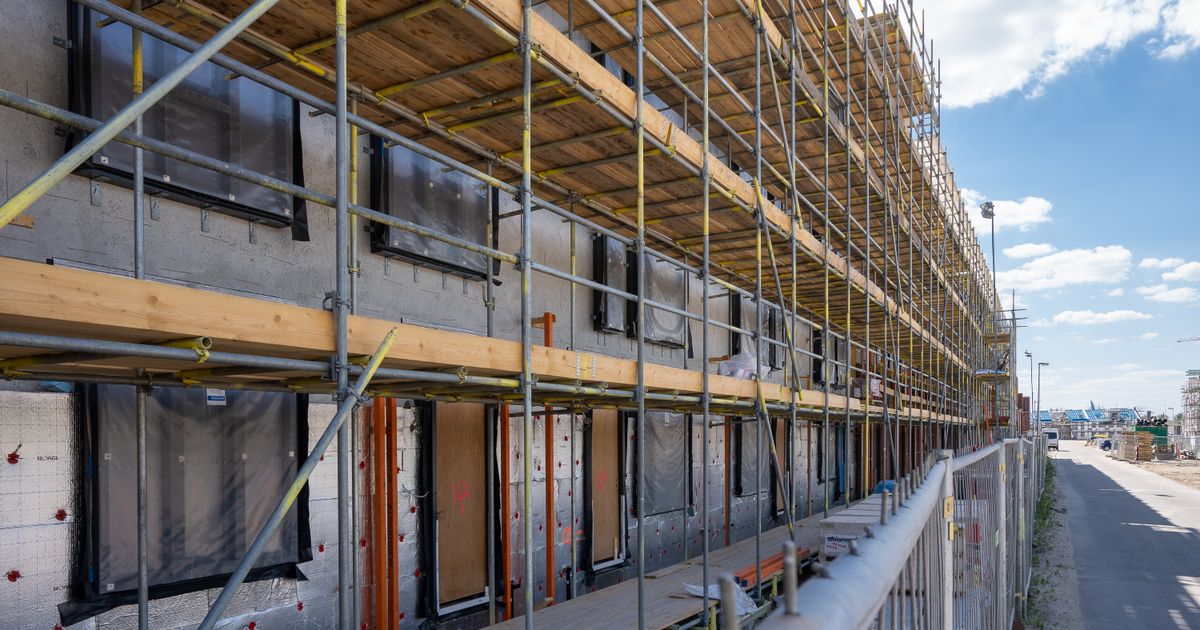
Photo by Mike van Schoonderwalt on Pexels
Renoviction — evicting a tenant under N13 notice to renovate a unit, then re-renting it at a higher price — has been a growing concern in Ontario for years. Between 2017 and 2022, N13 notices increased 983%, contributing to the loss of an estimated 5,500 affordable units in Hamilton alone, per city data cited by Sukh Law's analysis of Ontario's regulatory response. Two levels of government moved to close the loophole in 2025.
What an N13 notice is and when it's legitimate
The N13 is the Landlord and Tenant Board form used when a landlord needs a tenant to vacate for one of three reasons: demolition of the unit, conversion to a non-residential use, or repairs and renovations so extensive that vacant possession is required. The last category — major renovations — is where disputes concentrate, because the line between work that genuinely requires the tenant to leave and work that could be done with the tenant present is not always obvious.
Bill 97: the province raises the evidence bar
Bill 97 (the Helping Homebuyers, Protecting Tenants Act, 2023) and subsequent RTA changes strengthened what a landlord must demonstrate to support an N13. As of the current rules, a landlord can no longer simply state that work requires vacant possession. A report from a "qualified person" — specifically a licensed engineer or architect — confirming that the vacancy is necessary must accompany the notice. Additionally, Bill 60 (Fighting Delays, Building Faster Act, 2025) introduced more written communication requirements around renovation timelines, including tracking the estimated completion date, changes to that date, and when the unit is ready for re-occupancy.
Hamilton: the first Ontario city to legislate renovation licensing
Hamilton became the first Ontario municipality to implement a Rental Renovation Licensing Bylaw, effective January 1, 2025. The bylaw adds a licensing step on top of the provincial N13 process: before starting work that would require tenant displacement, a landlord must obtain a City of Hamilton Rental Renovation Licence. The licence process requires tenants to be informed of their right of first refusal to return at the same or comparable rent, and the City tracks compliance.
Toronto: Bylaw 53-2025 takes effect July 31, 2025
Toronto followed with its own Rental Renovation Licence Bylaw — Bylaw 53-2025 — which came into effect July 31, 2025. The Toronto bylaw works alongside the provincial N13 process: when a landlord plans renovations requiring a tenant to move under the N13, the landlord must also obtain a City of Toronto licence. Key provisions include tenant notification rights, documentation of the right of first refusal, and reporting obligations to the City during and after construction. Penalties for non-compliance are separate from and in addition to any LTB consequences.
Tenant's right of first refusal
Under the Residential Tenancies Act, a tenant who receives an N13 has the right of first refusal — the right to move back into their unit at the same rent once renovations are complete. A landlord who re-rents the unit to a new tenant at a higher rent without offering the displaced tenant the right to return can face an LTB order requiring the landlord to compensate the original tenant. The municipal bylaws layer additional tracking requirements on top of this existing provincial right.
What this means for legitimate renovation projects
Landlords undertaking genuine major renovations in Hamilton or Toronto now face a three-layer compliance stack: the provincial N13 process (with engineer/architect report), the applicable municipal licence, and the tenant's right of first refusal. This does not prevent renovations — it requires them to be documented, tracked, and conducted transparently. Landlords with a legitimate project who follow the process correctly can still proceed.
- Obtain an engineer or architect report confirming vacant possession is necessary before serving the N13.
- In Hamilton: obtain a Rental Renovation Licence from the City before commencing work.
- In Toronto: apply for a licence under Bylaw 53-2025 as part of the N13 process.
- Document the tenant's right of first refusal in writing and maintain records of the offered return terms.
- Track and communicate renovation timeline changes to the displaced tenant in writing.
- Track lease events, notices, and tenant rights in Kera
- Document renovation projects and maintenance timelines
- How to end a tenancy in Ontario: which N-form, and when
- Ontario LTB backlog 2026: wait times and what to expect
What is an N13 notice in Ontario?
The N13 is the LTB form a landlord uses to end a tenancy for demolition, conversion to non-residential use, or repairs and renovations so extensive that vacant possession is required. It is separate from the N12 (personal use) and has its own process and requirements.
Do I need an engineer's report to serve an N13?
Yes, under current Ontario rules, you must provide a report from a qualified person — specifically a licensed engineer or architect — confirming that vacant possession is necessary for the planned work. A general contractor's opinion is not sufficient.
What is Toronto's Bylaw 53-2025?
The Toronto Rental Renovation Licence Bylaw (Bylaw 53-2025) took effect July 31, 2025. It requires landlords to obtain a City of Toronto licence before proceeding with renovations that would displace a tenant under the N13 process. It is in addition to, not instead of, the provincial LTB process.
Does the tenant have the right to return after renovations?
Yes. Under the Residential Tenancies Act, a tenant who vacates under an N13 has the right of first refusal to return to the unit at the same rent once renovations are complete. The landlord must offer this in writing; failing to do so can result in an LTB compensation order.
Has any other Ontario city passed a renoviction bylaw?
Hamilton was the first Ontario city to enact a rental renovation licensing bylaw, effective January 1, 2025. Toronto followed with Bylaw 53-2025 on July 31, 2025. Other Ontario municipalities are watching these frameworks as potential models.
Keep every notice, document, and timeline in one place
Kera logs N13 notices, renovation timelines, and tenant right-of-first-refusal communications — so your compliance record is complete when you need it.
Run your whole business on Kera
Flat pricing, no per-door fees. Built for property managers.